
Dedicated to safeguarding Islamic faith across sensitive borderlands, cultivating righteous scholars grounded in classical jurisprudence, and building state-of-the-art educational infrastructure with total sincerity and transparency.
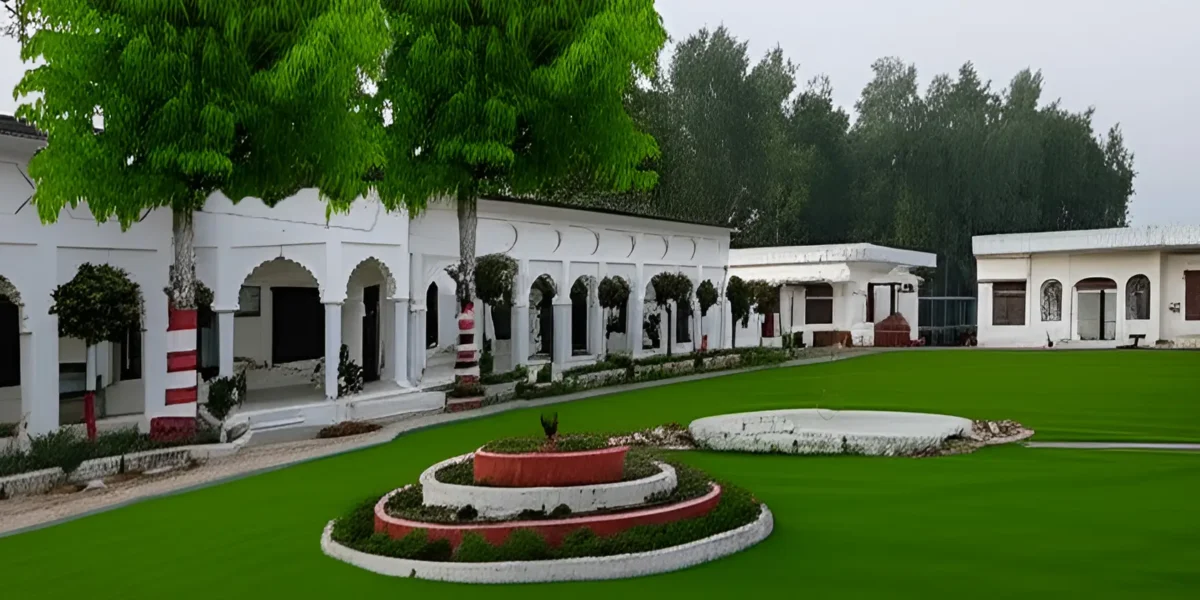
Following the revolution of 1857 CE, when Islamic sovereignty fell in India, British colonial authorities sought to eradicate Islamic beliefs, character, and cultural heritage. In this perilous vacuum, our illustrious elders—led by Hazrat Maulana Muhammad Qasim Nanautawiؒ and his companions—established public-funded religious madrasas to safeguard Muslim faith and identity.
“Shaykh-ul-Hind Maulana Mahmud Hasan Deobandiؒ used to say: ‘If these madrasas had not existed, you would have seen Muslims with names like Ram Chander and Mohan Lal today.’ Hakim-ul-Ummat Hazrat Thanviؒ emphasized: ‘Madrasas are spiritual factories producing the moral compass of humanity.’”
The official booklet outlines 16 non-negotiable aims governing all trust initiatives:
Conveying the universal message of Islam to all human beings, dispelling misconceptions, and promoting mutual love and communal peace.
Teaching the Holy Quran with precise Arabic phonetics (Makharij) and classical Tajweed rules as established by the Salaf.
Conducting training conferences to ensure the Adhan, Iqamah, congregational prayer, and Sunnah etiquettes are strictly practiced in mosques.
Conducting village-to-village reformative gatherings to awaken spiritual consciousness and moral values.
Establishing morning/evening 1-hour primary Quran classes in every village and neighborhood for schooling children.
Publishing and distributing accessible booklets, treatises, and pamphlets on Islamic faith, daily Sunnahs, and practical duties.
Abolishing wasteful and un-Islamic innovations in marriage, dowry, divorce, circumcision, and mourning rituals.
Providing 100% free lodging, meals, clothing, books, and medical care to underprivileged and orphan students.
Appointing qualified, salaried Imams and Muezzins to revive non-functional mosques in remote rural areas.
Building new mosques where none exist and boring deep submersible clean drinking water pumps.
Monthly financial pensions for helpless widows and underwriting surgical and maternity hospital procedures.
Providing discreet financial aid and medical relief to impoverished religious teachers and scholars.
Disbursing purely voluntary Lillah funds (non-Zakat) to assist deserving members of the Ahl-ul-Bayt.
Promoting the habit of daily family charity (Sadaqah) at home to ward off calamities.
Setting aside a handful of flour or grain during daily meal preparation for the local madrasa students.
Inspiring youth to be patriotic, constructive Indian citizens while remaining steadfastly Makki and Madani in faith.
To fulfill the growing religious and contemporary educational needs of Uttarakhand, the Trust has resolved upon the following four expansion projects:
Establishment of a permanent, full-scale graduation faculty for the Six Canonical Hadith Books.
Post-Graduate specialization department in Islamic Jurisprudence and classical Arabic Literature.
Recitation sciences covering the Seven and Ten Mutawatir modes of Quranic recitation.
Modern formal education up to Intermediate (10+2) integrated with high moral ethics.